
What Is Supported Housing in the UK? A Strategic Guide for Landlords and Investors


Introduction to Supported Housing in the UK
Supported housing remains one of the most vital yet complex segments of the UK property sector. Sitting firmly at the intersection of housing, health, and social care, it provides essentials accommodation alongside dedicated support, supervision, or care for individuals who require more than a standard mainstream tenancy to live independently.
For tenants, supported accommodation can be the crucial difference between long-term stability and crisis. For the state, it serves as a cost-effective, community-based alternative to residential care or hospital admission. For landlords and property investors, however, it represents a distinct and rapidly growing operational landscape—one with fundamentally different rules, complex funding mechanism, and heightened responsibilities compared to traditional Private Rented Sector (PRS).
This strategic guide explains what supported housing entails, who it serves, how it is funded, and what property owners must understand before operating in this highly regulated space.
The Definition of Supported Housing
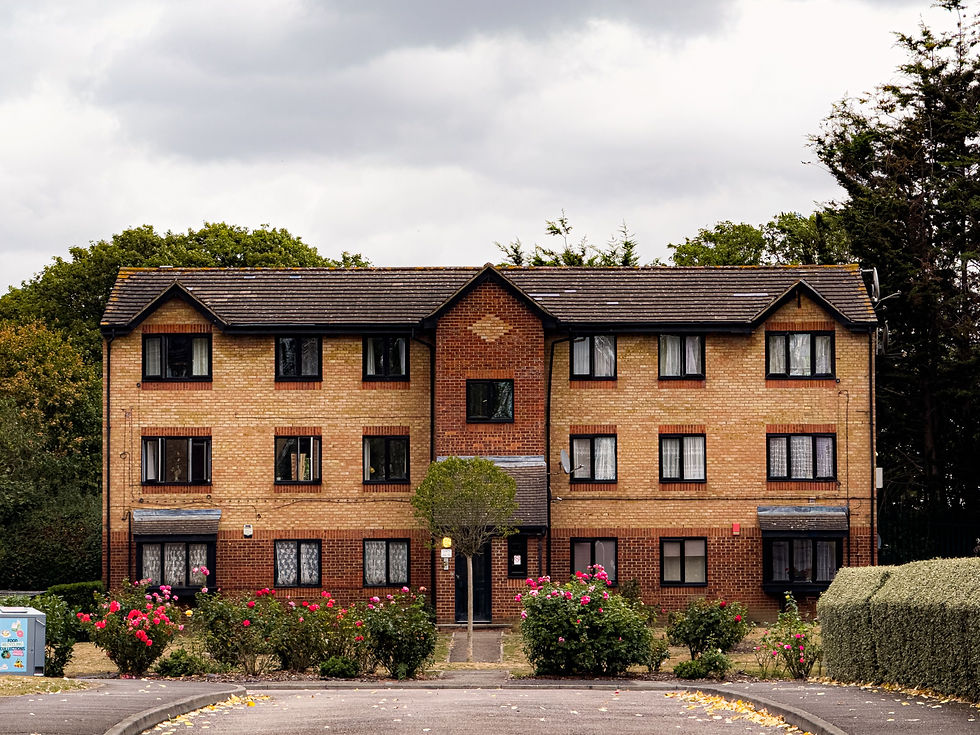
The most widely accepted definition of supported housing comes from the Regulator of Social Housing, aligning closely with central government guidance. Supported housing is defined as any housing scheme where accommodation is provided alongside care, support, or supervision, specifically designed to help individuals live as independently as possible within their communities.
The defining element that separates supported housing from standard rented accommodation is the intrinsic link between the housing and the support provided. It is not merely a property occupied by a vulnerable tenant. Instead, it is a structured scheme where the support is provided precisely because of the accommodation, and the accommodation is provided as an integral part of a wider support arrangement.
Under current legislation and guidance, such as the government's National Statement of Expectations for Supported Housing, the core purpose is clear: enabling people to live independently, with the right level of support, in the right location, at the right time.
Who Is Supported Housing For?
Supported housing serves a diverse demographic with varying needs. The common denominator is that these individuals would struggle to maintain a stable tenancy or live independently without appropriate, targeted support.
People with Mental Health Conditions
This group forms a significant proportion of those in supported housing. It includes individuals managing severe and enduring mental illnesses, those recovering from acute episodes, and people requiring regular support to maintain tenancy and overall well being.
People with Learning Disabilities or Autism
Individuals in this demographic frequently live in supported accommodation where dedicated staff provide assistance with daily living tasks, social skills development, and community integration. The intensity of support can range from a few hours a weeks to comprehensive, round-the-clock care.
Individuals Experiencing or at Risk of Homelessness
Supported housing for this group—typically encompassing hostels, foyers, and move-on accommodation—provides a vital bridge between rough sleeping or emergency temporary accommodation and long-term independent living.
People Recovering from Substance Misuse
Those recovering from alcohol or drug dependency often reside in supported housing during and after treatment. The support provided is heavily focused on maintaining recovery, preventing relapse, and rebuilding essential independent living skills.
Older People
Older individuals who require assistance to remain in their own homes, but do not necessitate the intensive care of a residential care home, are well-served by sheltered housing and extra care housing—both of which are key forms of supported housing.
Survivors of Domestic Abuse
Refuges and move-on accommodation provide both physical safety and structured support, empowering survivors to rebuild their lives away from harm.
Young People Leaving Care
Young adults transitioning from local authority care to independent living are frequently housed in supported accommodation. Here, they receive practical guidance on budgeting, cooking, securing employment, and managing a tenancy.
People with Physical Disabilities
Adapted supported housing provides purpose-built or modified properties where support staff assist with daily living requirements, ensuring accessibility and independence.
Types of Supported Housing Models

Supported housing is not a monolithic concept; it encompasses a broad spectrum of schemes, setting, and operational models.
Sheltered Housing
Typically designed for older people, sheltered housing provides self-contained accommodation (usually flats) within a wider scheme featuring communal facilities and a dedicated scheme manager or warden. The support level is generally low, focusing on safety, social connection, and facilitating access to external services.
Extra Care Housing
Advancing beyond sheltered housing, extra care facilities offer self-contained accommodation alongside on-site care and support services. The model caters to older individuals with higher care needs who wish to retain their independence rather than transitioning to residential care.
Hostels and Direct Access Accommodation
These facilities offer short-term accommodation for those who are homeless or at immediate risk. They frequently provide intensive support to address underlying issue—such as mental health challenges, substance misuse, or offending behaviour—that contributed to the housing crisis.
Foyers
A specific supported housing model tailored for young people, foyers combine accommodation with employment training and support services. Usually situated in or near town centres, they are structured to facilitate a successful transition to independent adult living.
Residential Rehabilitation
This model provides accommodation alongside highly structured treatment programmes for individuals recovering from substance misuse.
Floating Support
While not a physical housing type, floating support is a crucial operational model. Support workers visit tenants in their own homes—which may be mainstream rented properties—to deliver the assistance necessary to sustain the tenancy. It is often categorized alongside supported housing because the support is directly linked to sustaining the accommodation.
Specialist Supported Housing (SSH)
Defined in law, SSH refers to supported housing that meets specific criteria. This includes being owned or managed by a registered provider of social housing and delivering intensive support for individuals with complex needs.
How Supported Housing Is Funded in the UK

The funding architecture or supported housing is intricate, drawing from central government, local authorities, and the NHS. Navigating this landscape is paramount for any property professional entering the sector.
Housing Benefit and the Local Housing Allowance (LHA)
Housing Benefit remains the primary funding source for accommodation costs in supported housing. Crucially, many forms of supported housing are exempt from the Local Housing Allowance (LHA) caps that govern mainstream PRS tenancies. Consequently, Housing Benefit can be paid at a higher rate to cover the enhanced costs of the accommodation—a dynamic that has drawn significant private investment into the sector.
Exempt Accommodation
"Exempt accommodation" refers to supported housing that qualifies for Housing Benefit above the standard LHA cap. To qualify, the property must be owned or managed by a non-metropolitan county council, a housing association, a registered charity, or a voluntary organization. Furthermore, the landlord (or linked organization) must provide genuine care, support, or supervision. It is vital to note that exempt accommodation rules are subject to intense regulatory scrutiny to prevent exploitation and ensure quality provision.
Local Authority and NHS Commissioning
Following the abolition of the ring-fenced Supporting People grant in 2011, local authorities now exercise discretion over housing-related support spending. Additionally, NHS funding contributes to supported housing for individuals with health needs, typically through NHS England commissioning or integrated care systems.
Capital Funding
Capital grants for developing new supported housing are available through bodies such as Homes England, the Greater London Authority, and local authorities, often via the Affordable Homes Programme.
The Regulatory Framework: Compliance and Enforcement

Supported housing operates under a far more stringent regulatory framework than the mainstream PRS, reflecting the vulnerability of its residents and the complexities of the funding involved.
The Supported Housing (Regulatory Oversight) Act 2023
This landmark legislation introduced a robust new framework for regulating supported housing in England. It mandates local authorities to establish licensing schemes for supported exempt accommodation and requires providers to meet strict minimum standards regarding accommodation quality and support adequacy.
Care Quality Commission (CQC) Registration
Where the care and support element meets the definition of a "regulated activity" (such as personal care involving assistance with washing or dressing), the provider must register with the CQC. Compliance with the CQC's fundamental standards is non-negotiable.
The Regulator of Social Housing
Registered providers of social housing operating in this space are overseen by the Regulator of Social Housing, which enforces strict standards on governance, financial viability, and service delivery.
Local Authority Oversight
Local authorities play a pivotal role in commissioning support, quality assurance, and contract management. Their powers to inspect and enforce standards in supported exempt accommodation have been significantly strengthened.
Strategic Insights: What Landlords Must Know
For private landlords and investors eyeing the supported housing sector, the operational realities differ starkly from standard buy-to-let investments.
1. The Support Obligation is Absolute: Supported housing is not merely a high-rent strategy for housing vulnerable tenants. The landlord, or their linked organisation, must deliver genuine, meaningful care, support, or supervision. Schemes claiming exempt status without providing adequate support face severe enforcement action from local authorities and the DWP.
2. Demanding Regulatory Requirements: Providers must navigate licensing requirements under the Supported Housing Act, meet local authority standards, and potentially secure CQC registration. This demands substantial investment in professional staff, robust systems, and rigorous governance.
3. Complex Funding Scrutiny: Housing Benefit claims for exempt accommodation are heavily scrutinised. Business models overly reliant on high-cost exempt accommodation claims without a solid compliance foundation carry significant risk.
4. Vulnerable Tenant Management: Managing supported housing requires a fundamentally different operational approach. Safeguarding, complex complaints handling, and prioritising resident wellbeing must be at the core of your property management strategy.
5. Genuine Social Value: For operators committed to excellence, supported housing
offers the chance to deliver profound social impact while running a sustainable enterprise. The demand for high-quality provision consistently outstrips supply.
This article provides general guidance only. Always seek independent legal, tax, or financial advice before making decisions affecting your property or business.
Frequently Asked Questions (FAQs)
Q: What is the difference between supported housing and standard rented accommodation?
A: The key difference is the provision of care, support, or supervision alongside the accommodation. In supported housing, the housing and support are intrinsically linked to help vulnerable individuals live independently.
Q: What is 'exempt accommodation'?
A: Exempt accommodation is a type of supported housing where the rent is not restricted by Local Housing Allowance (LHA) caps, allowing higher Housing Benefit payments to cover the additional costs of providing support and specialised housing.
Q: Do I need a license to operate supported housing?
A: Under current legislation, specifically the Supported Housing (Regulatory Oversight) Act 2023, local authorities are establishing licensing schemes for supported exempt accommodation. Providers must meet specific minimum standards to operate legally.
Q: Can a private landlord offer supported housing?
A: Yes, but to qualify for exempt accommodation status, the property must typically be managed by a registered charity, housing association, or voluntary organisation, and genuine support must be provided to the tenants.
Q: Do I need CQC registration for supported housing?
A: You only need to register with the Care Quality Commission (CQC) if you are providing 'regulated activities', such as personal care (e.g., help with washing or dressing). General housing support does not always require CQC registration.
Elevate Your Property Portfolio Strategy
Operating in the supported housing sector, or any complex area of the UK property market, requires more than just good intentions—it demands rigorous compliance, strategic foresight, and operational excellence.
Whether you are navigating the complexities of the Renters’ Rights Bill, managing HMOs, or exploring the supported housing sector, professional management makes a decisive difference to your compliance posture and financial outcomes.
If you’d like to explore how these regulations apply to your portfolio, our team can guide you. Get in touch if you’d like a deeper assessment of your options.
Speak with our team on WhatsApp: +44 330 341 3063
Follow us on Facebook: essentialproperty
Follow us on Instagram: essential_property_options
Visit us online: comfortandco.uk
Disclaimer: This article provides general guidance only. Always seek independent legal, tax,
or financial advice before making decisions affecting your property or business.
Comments